
Should You Buy, Sell, or Rent? How to Decide What’s Right for You in Toronto, Ontario
Should You Buy, Sell, or Rent? How to Decide What’s Right for You in Toronto, Ontario
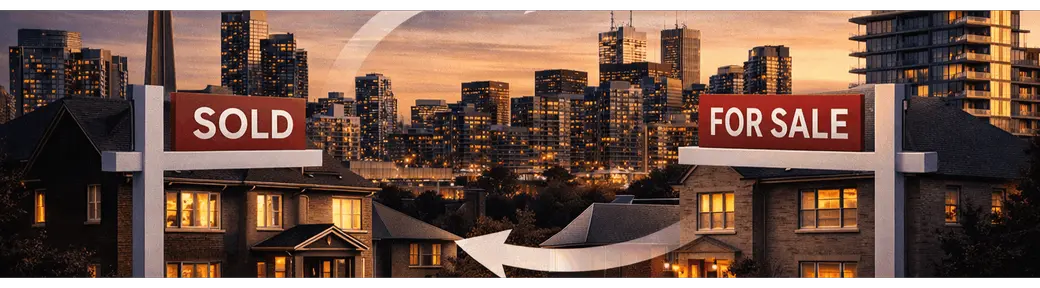
Toronto’s skyline is constantly evolving, buzzing with new opportunities and challenges for anyone considering a move. Whether you’re dreaming of your first condo, thinking about selling your family home, or looking for a trendy downtown rental, deciding what’s right for you can feel overwhelming. Let’s break down the key factors to help you make a confident decision in Toronto’s ever-changing market.
Buying: Building Roots and Equity
Buying a home in Toronto is a big commitment, but it’s also a chance to put down roots and invest in your future. With property values historically trending upward, purchasing can be a smart long-term move if you’re planning to stay for several years. However, consider your financial stability—Toronto’s home prices are among the highest in Canada, so a healthy down payment and solid credit are essential.
- Pros: Build equity, personalize your space, potential for appreciation.
- Cons: High upfront costs, ongoing maintenance, less flexibility to move quickly.
Selling: Timing the Market
If you already own property in Toronto, selling can be an exciting (and sometimes emotional) decision. Are you looking to capitalize on rising prices, downsize, or move to a new neighbourhood? Keep in mind that timing is crucial—spring and fall are typically the hottest seasons for sellers. Work with a local agent who understands Toronto’s micro-markets to get the best results.
- Pros: Potential for profit, chance to upgrade or relocate, cash for other investments.
- Cons: Transaction fees, possible capital gains taxes, uncertainty in market timing.
Renting: Flexibility and Freedom
Renting in Toronto offers flexibility—perfect for those not ready to settle down or who want to explore different neighbourhoods. With a vibrant rental market, you can find everything from sleek condos to cozy lofts. Renting also means fewer responsibilities, but remember, you’re helping your landlord build equity, not yourself.
- Pros: Lower upfront costs, flexibility to move, fewer maintenance worries.
- Cons: No equity building, possible rent increases, less control over your space.
How to Decide?
Ask yourself:
- How long do I plan to stay in Toronto?
- Is my job or family situation stable?
- What’s my budget for housing and lifestyle?
- Do I value flexibility or long-term investment more?
There’s no one-size-fits-all answer, but weighing these questions—and speaking with a trusted real estate professional—can help you chart the right path in Toronto’s exciting market.
Categories
Recent Posts






FREE HOME BUYER GUIDE
Avoid overpaying. Understand offer strategy. Know what to expect before you start.
FREE HOME SELLER GUIDE
Learn how pricing, positioning, and marketing impact your final sale price.